
Updated September 2026. Cost figures are planning estimates from named sources. How we estimate costs
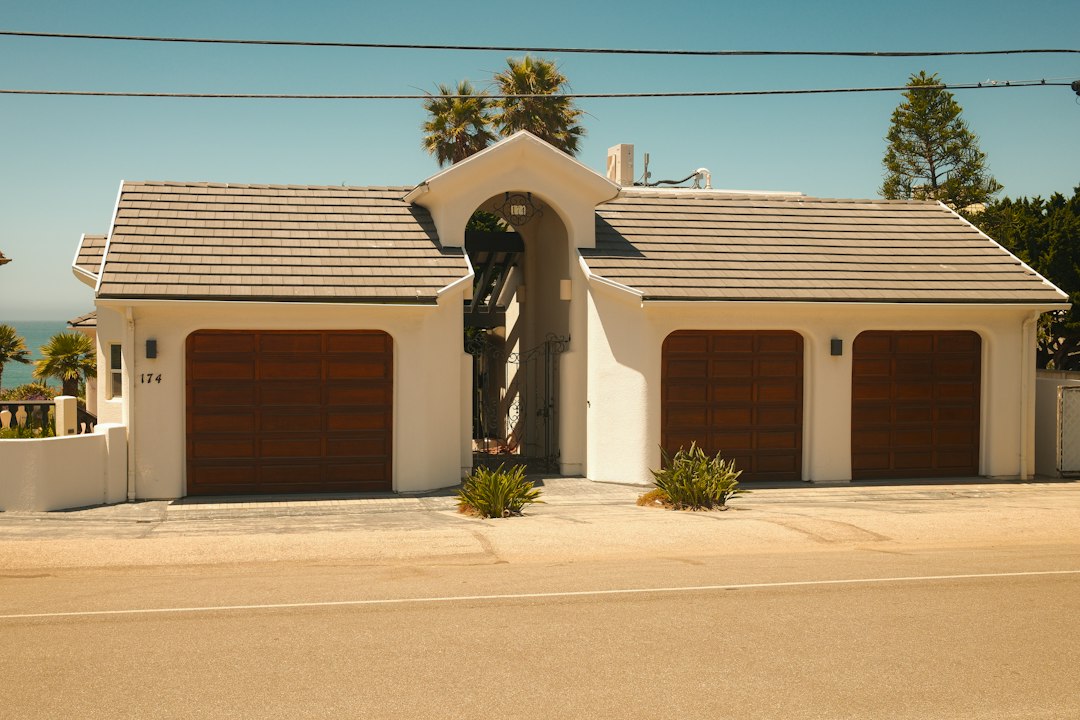
A garage door is the largest moving object on most houses, and on a lot of American streets it is half of what people see from the curb. It also shows the highest resale return in national remodeling data, which is why it appears in every “best ROI” list.
Those lists quote one number. Published prices for this job start around $750 and run past $9,000, and both ends are honest, because “garage door replacement” covers a builder-grade single door swapped in two hours and an insulated double with new tracks, a wall-mount opener and glass panels.
Here is how those jobs differ, which source is pricing which, and where the extra money is actually worth spending.
Garage door replacement cost at a glance
$750–$4,700
Installed, covering most single and double door projects. Premium wood and full-view glass doors run higher.
- Angi national average
- About $1,230 (typical $754–$1,706)
- Cost vs. Value benchmark
- $4,672 job cost
- Resale value added
- $12,507 (267.7% recouped)
- New opener
- Adds about $200–$1,300
- Federal tax credit in 2026
- None
Why the published prices disagree
Two credible sources put very different numbers on this project. Both are right about the job they describe.
| Source | Figure | What it prices |
|---|---|---|
| Angi (2026) | $754–$1,706, average about $1,230 | Door-led replacement pricing from homeowner projects. Labor is often quoted separately at $200–$500 |
| Homewyse data, republished by Alan’s Factory Outlet (2026) | Single $844–$3,498; double $2,435–$4,522 | Unit-cost model covering material, labor and supplies, split by door size |
| 2025 Cost vs. Value (Zonda/JLC) | $4,672 | A midrange replacement bid the way a professional remodeler bids it, hardware and tracks included |
Sources: Angi, Alan’s Factory Outlet citing Homewyse, 2025 Cost vs. Value Report.
Read it like this. Basic single door, low-cost labor market, keeping your existing opener: the low end is realistic. Insulated double from a full-service dealer, new hardware, old door hauled away: budget toward the Cost vs. Value figure and be pleased if it lands lower.
Cost by door size
Size is the first fork in the budget. Standard singles run about 8 or 9 feet wide. The current standard double is 16 feet.
| Door | Installed range | Average | Notes |
|---|---|---|---|
| Single car | $844–$3,498 | About $2,171 | Two singles on a wide garage cost more in labor and hardware than one double |
| Double car | $2,435–$4,522 | About $3,478 | The usual upgrade target, and where style choice is widest |
| Oversized or custom width | Above the double range | Not published | RV height and non-standard widths are made to order |
Source: Homewyse data republished by Alan’s Factory Outlet (2026). We have not found a reliable current average for oversized doors, so we are not inventing one.
Materials
Material sets the price and decides how much maintenance you are signing up for.
| Material | Relative cost | Strengths | Watch-outs |
|---|---|---|---|
| Steel | Lowest to moderate | The default, and the cheapest route to an insulated door. Low maintenance, and modern woodgrain finishes look convincing from the street | Dents from basketballs and bumpers. Single-layer doors sound and feel thin |
| Composite and wood-look | Moderate to high | Carriage-house appearance without annual refinishing | Costs more than steel at the same insulation level |
| Wood | Highest | Real material, custom designs, a solid feel nothing else matches | Needs refinishing. The weight can require heavier springs and a stronger opener |
| Aluminum and full-view glass | Highest | Modern look and daylight inside the garage | Premium pricing, extra weight, no privacy unless the glass is frosted |
Relative comparisons for planning. Single-source dollar figures by material were not consistent enough to publish.
Examples, not endorsements: Clopay publishes construction details and insulation levels by series on its manufacturer site, which is the fastest way to see how a two-layer steel door differs from a three-layer one. Home Depot and Lowe’s both run installed garage door programs; treat those prices as a floor to measure dealer quotes against, not as the same product.
Insulation: when it earns its keep
An insulated door is built as two or three layers, with polystyrene or polyurethane between steel skins. The honest argument for it is not the energy bill.
Pay for insulation when the garage is attached to living space, when there is a bedroom above it, when you use the space as a workshop or a gym, or when you live somewhere with real winters or long, punishing summers. The side effects matter as much as the R-value: a thicker sandwich door is quieter, stiffer and harder to dent, and you notice all three every day.
Skip it when the garage is detached, unconditioned and used for parking a car and storing a lawnmower. That is buying comfort in a room you never sit in.
We do not publish an energy-savings figure for insulated garage doors. A credible number depends on whether the garage is attached, how leaky the rest of it is, your climate and your energy prices, and we have not found a source that models that rather than marketing it.
What the price tiers look like in a real catalog
Ranges of price are one thing; knowing what you are actually being offered is another. Clopay is useful as a worked example because it publishes construction and insulation values for each series openly, which most manufacturers do not. The tiers below exist at every major brand under different names, so use this to decode whatever catalog your installer puts in front of you.
| Example series | Construction | Insulation | Reads as | Sensible for |
|---|---|---|---|---|
| Clopay Classic Steel | One or two layers of steel | None, or polystyrene at roughly R-6.5 | Plain raised or flush panel | Detached, unheated garages |
| Clopay Gallery Steel | Steel with grooved carriage-house panels | Polystyrene, or 1-3/8 in and 2 in Intellicore polyurethane | Carriage house on a budget | The value sweet spot for attached garages |
| Clopay Coachman | Steel with composite overlays | Polystyrene or polyurethane | Carriage house, closer to the real thing | Street-facing garages where looks matter |
| Clopay Canyon Ridge (5-layer) | Steel, insulation, steel, composite cladding and overlays | 2 in Intellicore polyurethane, R-20.4 | Faux wood you have to touch to catch | Heated garages, high-end facades |
| Clopay Canyon Ridge Modern | Steel base with composite overlays | 2 in Intellicore, R-values 6.3 to 20.4 by design | Flush, linear, contemporary | Modern and mid-century houses |
Construction details and R-values from Clopay’s Intellicore buying guide and its series pages (2026). Examples for comparison, not endorsements: Overhead Door, Amarr and Wayne Dalton sell the same tiers under different names. We earn nothing from these links.
The single most useful thing on that table is the insulation column. Polyurethane foamed in place gives roughly triple the R-value of polystyrene panels, and it also stiffens the door and cuts noise. If a quote names a series but not the insulation type and thickness, that is the question to ask before anything about color.
Openers and smart features
If your opener is past about 15 years old, this is the moment to deal with it. The installer is already on site, and a heavier door asks more of a tired motor.
| Item | Typical added cost | Source |
|---|---|---|
| Going from a manual door to an automatic one | $200–$1,300 | Angi (2026). The top of that range is app-connected smart openers |
| Opener installation as its own job | $218–$540 | Angi (2026). The opener unit itself runs $200–$900 or more |
| New electrical circuit for the opener | Not published | Priced by an electrician. Ask before assuming it is in the quote |
Sources: Angi garage door replacement, Angi opener installation. As an example of matching a motor to a door, LiftMaster publishes drive type and horsepower model by model.
Where the money goes, in our order of usefulness. A belt drive instead of a chain, if anyone sleeps above or beside the garage, because the noise difference is not subtle. Battery backup, which matters if the garage is your only exit during an outage and is required by code in some states. Then app control, which earns its keep if you take deliveries and is a gadget if you do not.
Two things we would push back on: proprietary hubs that can turn a working door into a dead one when the service is retired, and upsold horsepower on a standard residential door. Match the opener to the door’s weight, not to the brochure.
Hidden costs and quote red flags
- Old door removal. Often included, but Angi puts it at $50 to $200 when billed separately. Get it in writing.
- Springs and hardware. A new door should arrive with new springs, tracks, rollers and hinges. Reusing old springs under a heavier door is a safety issue, not a saving.
- Structural repairs. Rotted jambs and sagging headers surface when the old door comes off. Agree on how they will be priced before that happens.
- Permits. Some jurisdictions require one, particularly where wind-load ratings apply.
- Wind-load requirements. In coastal and high-wind counties the door has to carry a rating. An unrated bargain door can fail inspection.
- Openings that change. Turning two singles into one double, or raising the header for an RV, is framing work, not a door swap.
Is a new garage door worth it?
On resale data, this is the strongest project we cover. In the 2025 Cost vs. Value Report, a midrange garage door replacement costing $4,672 was estimated to add $12,507 at resale, recouping 267.7% and ranking first of 28 projects.
Here is the part the lists leave out. Cost vs. Value estimates job costs with remodeling estimating software and estimates resale value by surveying real estate professionals. It reflects what agents believe buyers will pay, not recorded sale prices, and it assumes a dated door on a house where the garage is part of the facade. If your garage faces an alley, or your door is five years old and works fine, that 267.7% has nothing to do with you.
Worth it if
- The door is dented, faded, or has panels that no longer match
- It is loud or slow, comes off the track, and parts are discontinued
- The garage faces the street and you are listing within a year or two
- There is living space above or beside the garage and the door has no insulation
- The opener has no photo-eye safety sensors, which have been required on residential openers for decades
Skip it (for now) if
- One spring, cable, roller or panel has failed on a door that is otherwise sound
- The door is fine and only the opener is old, which is a far cheaper fix
- The garage is detached and out of sight, and resale is your only motive
- You are drawn to a full-view glass door for the ROI: the data rewards the modest door, not the expensive one
How to lower the cost
- Reuse a healthy opener. Quiet, safety sensors working, under about 15 years old? Keep it, and say so when you ask for quotes.
- Buy a standard size. 8×7, 9×7 and 16×7 have the deepest selection and the sharpest pricing.
- Choose insulation by use. Two-layer steel on an attached garage suits most houses. Triple-layer belongs on conditioned space.
- Get three quotes on one specification: same size, same construction, same hardware, same wind rating, disposal included.
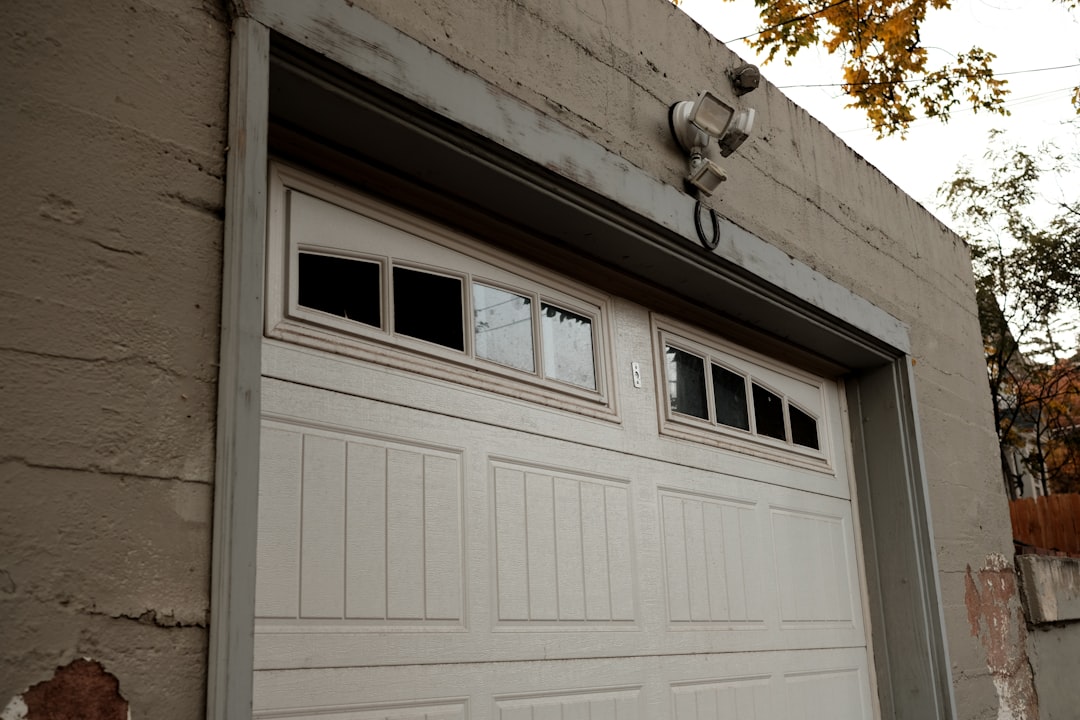
- Leave windows until last. A glass row in the top panel is styling, not performance.
- Check state and utility rebates. With the federal credit gone, local programs are what remain.
No federal tax credit in 2026. The Section 25C Energy Efficient Home Improvement Credit ended for property placed in service after December 31, 2025 (IRS). A 2026 quote that still promises a federal credit is a reason to check everything else in it twice.
How we got these numbers
We do not collect contractor bids or run pricing surveys. Size ranges and averages come from Homewyse unit-cost data as republished by Alan’s Factory Outlet, the typical range and add-ons from Angi’s 2026 cost guides, and the resale benchmark from the 2025 Cost vs. Value Report. Where sources disagree we show both and explain the difference in scope instead of averaging them into one misleading number. Manufacturer and retailer links are examples for comparing specifications; we earn nothing from them. Tax credit status reflects federal law as of September 2026. Full methodology.
FAQ
How much does it cost to replace a double garage door?
Most double-door projects land between about $2,435 and $4,522 installed, averaging around $3,478. Premium wood and glass doors sit above that.
Is a new garage door really the best-return project?
In the 2025 Cost vs. Value Report it ranked first of 28 projects, at 267.7% of cost recouped. That is an estimate from real estate professionals rather than a record of sales, and it assumes a visibly dated door is being replaced.
Do I need a new opener when I replace the door?
Not automatically. Keep a quiet opener with working photo-eye sensors that is under about 15 years old. Replace it if it struggles, lacks sensors, or if the new door is much heavier.
Is an insulated garage door worth the extra money?
Usually yes for an attached garage, a garage with a room above it, or one you spend time in. Usually no for a detached, unconditioned garage used only for parking.
How long does installation take?
A straightforward like-for-like replacement is half a day to a full day. Custom sizes and finishes add weeks of lead time before that day arrives.
Repair or replace?
Repair a single failed spring, cable, roller or panel on a sound door. Replace when damage runs across panels, parts are discontinued, or you are paying for repeated fixes on an old door.
Planning note: These are U.S. planning estimates, not quotes. Your price depends on your local labor market, the condition of the opening and the specification you choose. Get at least three written quotes. See our methodology and disclaimer.