
Short answer: An interior storm insert, a clear panel that fits inside the frame of a window you already have, can be a reasonable middle step when the frames and sashes are still sound and the complaint is comfort: cold glass you can feel from across the room, drafts around a window that otherwise works, or traffic noise you’d like to turn down. It isn’t a fix for a window that has actually failed. A panel won’t repair a rotten sill, stop rain getting in around the frame, clear fog trapped inside a failed sealed glass unit or correct bad flashing, and it can make a moisture problem worse if it traps humid indoor air against the cold window behind it. If a salesperson is recommending full replacement for windows that still open, close, lock and keep the weather out, an insert is one option worth pricing alongside weatherstripping and repair. If the windows are failing, replacement or real repair is the honest answer.
This guide sets out how to tell those situations apart. It draws on the U.S. Department of Energy’s storm-window purchasing guidance and campaign materials, a DOE-funded Building America Solution Center guide, National Park Service preservation briefs on window repair and energy efficiency, and Indow’s published product pages, used here as one example of a manufacturer that sells interior panels. All were accessed November 8, 2026. This isn’t an evaluation of Indow or any brand, we haven’t tested any panel, and no option below is right for every house.
The problem: cold glass, road noise and a pitch to replace everything
The situation usually looks like this. A room is uncomfortable near the windows in winter, or a bedroom faces a busy road. The windows are older, maybe single-pane, maybe clear double-pane, but they still work. A replacement company comes out, measures, and quotes new windows for the whole house. The quote may be fair. It may also solve a bigger problem than the one you actually have.
Before you compare replacement quotes, it helps to name the complaint precisely, because the three common ones have different causes:
- Cold glass. The pane itself is cold, and you feel it as a chill near the window even when no air is moving.
- Air leakage. Outside air is actually getting in, around the sash, at the meeting rail, or between the frame and the wall.
- Noise. Sound is coming through the glass, through gaps around the sash, or through the wall, roof or a door nearby.
Each one points toward a different first step, and an interior panel only addresses some of them.
What an interior storm insert is, and what it isn’t
An add-on panel on the room side of an existing window
An interior storm window, also sold as an interior panel, window insert or secondary glazing, is a second layer of glazing installed on the inside of a window you keep. It leaves an air space between the panel and the original window. The DOE-funded Building America Solution Center describes the main types: plastic panels that friction-fit into the frame with flexible silicone edges, some that use magnetic fastening, and glass interior storms that are typically screwed and sealed in place. Indow, one manufacturer of the friction-fit type, describes its inserts as acrylic panels edged with a compression tube that presses into the existing window frame without hardware.
Because nothing is removed from the original window, interior panels are usually reversible. The Solution Center calls interior storms a reversible retrofit, and notes that plastic panels are very easy to remove.
Not the same as an exterior storm window
An exterior storm window goes on the outside of the existing window. The National Park Service’s brief on repairing historic wooden windows recommends investigating exterior storms whenever feasible, calling them thermally efficient, cost-effective and reversible, and a way to keep the original windows. Interior storms get a more cautious treatment in the same brief because of condensation, covered below. Which side works better depends on your windows, your climate and whether the exterior can be changed at all, as in a condo or a historic district.
Not the same as an insert replacement window
“Insert” causes the most confusion. In window replacement, an insert installation means removing the old sashes and fitting a complete new window unit into the existing frame. That is a replacement method: you’re buying new windows. An interior storm insert is an accessory panel added in front of the window you keep. If a quote says “insert,” ask which one it means.
If you’re weighing the replacement methods themselves, our insert vs. full-frame decision tool walks through when a new window can go into the old frame and when the whole frame has to come out. That tool is about replacement windows only. It doesn’t evaluate interior storm panels.
Cold glass, drafts and air leaks are different problems
A window can feel drafty without leaking much air. Cold glass cools the air right next to it, and you also lose body heat to a cold surface. Adding a second layer with an air space in between raises the temperature of the surface facing the room. The National Park Service’s brief on energy efficiency in historic buildings says storm windows add an insulating air space and a barrier to infiltration, which improves comfort and reduces the potential for condensation on the glass.
Real air leakage is a different job. The same brief puts reducing air leakage first in its list of retrofit priorities, and says that weatherstripping windows and doors and sealing open cracks and joints around them will substantially reduce air leakage. The NPS repair brief treats new weatherstripping and sash locks, which keep the sashes pulled tight, as an integral part of repairing a window. Preservation Brief 3 adds that storm windows improve thermal performance in ways weatherstripping and caulking can’t, so the two aren’t either-or.
A sensible order for most homes:
- Find where the air is coming from. A window that rattles, won’t lock tight or has gaps at the meeting rail is a leakage problem first. If the leak is around the frame or trim rather than the sash, the gap between the window and the wall may be the issue. Our guide to drafty windows covers how to locate it.
- Fix what’s broken. Weatherstripping, sash locks, glazing putty, balances and minor frame repair are usually less disruptive than any panel or replacement. Our repair vs. replace guide goes symptom by symptom. If you’re weighing a seasonal plastic kit or a glass film instead, see what shrink kits and applied window films can and can’t fix.
- Then consider a second layer if cold glass or noise is still the complaint once the window closes tight.
A panel can also reduce the draft you feel from a leaky sash, because it adds a seal on the room side. That can be useful, but it’s exactly the situation where moisture deserves a close look.
Condensation and moisture: check this before anything else
This is the main risk with interior storms, and the sources are direct about it. The National Park Service’s Preservation Brief 9 warns that moisture trapped between the layers can condense on the colder outer window and lead to deterioration. The approach it describes is to seal the interior storm while allowing some ventilation around the original window, and it adds that in practice, a durable airtight seal of that kind is difficult to achieve.
Preservation Brief 3 makes the same point another way: in a heating climate, the interior unit must be the tighter of the two to avoid condensation between them. It calls for appropriate gaskets on interior storms so that damage-causing condensation doesn’t form on the inside face of the original window, and notes that opening or removing interior storms during non-heating months helps avoid moisture build-up. The Building America Solution Center adds that condensation between the layers can still form if the interior storm isn’t airtight, that venting to the outside reduces condensation at some cost to energy performance, and that persistent problems call for controlling indoor moisture, such as running bath fans and not drying laundry indoors.
Indow’s own FAQ takes the more optimistic view a seller would. It says its compression tube stops warm, moist air from reaching the glass, and that condensation that keeps appearing likely points to a moisture problem in the wall that needs to be addressed. Both positions describe the same mechanism: an interior panel helps when it seals well and indoor humidity is under control, and it can hurt when warm, moist room air leaks past it to the cold glass behind. If moisture is already showing up in that gap, our guide to why condensation forms between a storm window and the window walks through what to check first.
What that means for you:
- If you already see water running down the inside of the glass, puddling on sills, or peeling paint and soft wood at the bottom of the sash, find the moisture source first. A panel over that window can hide the damage while it continues.
- Ask the supplier how the panel seals at every edge, and what the original window’s exterior side does to let moisture out.
- Check between the layers during the first cold spell. Fog or droplets on the outer window, behind the panel, mean room air is getting past the seal.
- Don’t expect a panel to cure condensation, and don’t use one to cover up a leak or rot you haven’t dealt with.
Outside noise: what a panel can change, and what it can’t
Noise is where interior panels get marketed hardest, and where results vary most. Sound comes into a room through every weak point: gaps around the sash, the glass itself, and the walls, roof, vents and doors. A second layer with an air space can help on the window path. The Building America Solution Center notes that interior storms provide sound control by reducing the window’s air leakage, and DOE’s storm-window campaign materials list acoustic improvements among the benefits. Neither offers a figure that applies to every home.
Manufacturer figures are claims for specific products under specific conditions. As one example, Indow says its Acoustic Grade insert reduces noise by 18.9 dBA when placed over single-pane windows, and that reduction will be less when it’s placed over double-pane windows. Indow adds its own caveat: overall noise reduction depends on how much noise comes through your walls, ceilings, floors and doors, and results can be dramatic in one room and less noticeable in another. Indow also says a deeper frame, which leaves a bigger air space between the insert and the window, performs better. The test setups Indow describes on its noise page include a plywood test enclosure with mock single-pane windows, which isn’t the same as a finished room with your windows in it. Treat any figure as the manufacturer’s claim for that grade over that kind of window, not a prediction for yours.
Before you buy a panel for noise:
- Stand at the window, then near the wall and the door, and listen for where the sound is loudest. If it’s coming through a vent, a door or a thin wall, a window panel won’t reach it.
- Ask for acoustic test evidence for the exact product and grade, over a window like yours (single-pane or double-pane), with the air space your frame allows.
- Be wary of “soundproof.” A panel can reduce noise; it can’t make a room silent.
Ratings: ENERGY STAR, AERC and NFRC aren’t interchangeable
Storm windows and panels have their own rating paths, and a label on one product says nothing about another.
- ENERGY STAR storm windows. DOE’s Federal Energy Management Program purchasing guidance, written for federal buyers, says ENERGY STAR covers only products that meet its definition of a residential storm window. It excludes other types, including “components of interior or exterior storm windows, and storm windows without weep holes.” FEMP tells buyers to pick qualified units for their climate zone, certified and labeled by NFRC.
- AERC ratings. The Attachments Energy Rating Council rates window attachments, including interior and exterior storm windows and panels. According to the Building America Solution Center, plastic interior storms can receive an AERC rating if they qualify, but can’t receive an ENERGY STAR label because they don’t have the low-e coating ENERGY STAR requires. Glass storm windows can carry both if they meet the criteria.
- DOE’s campaign uses both paths. DOE’s Storm Window and Insulating Panel campaign fact sheet (Pacific Northwest National Laboratory, May 2021) encourages ENERGY STAR certified storm windows or AERC-rated insulated panels, and describes them as delivering savings and comfort “at a fraction of the cost of full window replacements.” That is campaign language summarizing field demonstrations on homes with single-pane or clear double-pane windows, not a guarantee for a particular product or house.
The practical question for a supplier is simple: which rating, if any, applies to the exact product and size you’re being sold? Ask for the listing, not a general statement that the brand is certified.
Decision table: repair, interior insert or full replacement
Use this to match the option to the problem. It describes what each approach can and can’t address, based on the sources above. It doesn’t rank them, and your windows may need more than one.
| Question | Weatherstrip and repair | Interior storm insert | Full window replacement |
|---|---|---|---|
| When it tends to fit | Sash and frame are sound but the window rattles, won’t lock tight, has worn weatherstripping, loose putty or broken hardware. | Window works and is weathertight, but cold glass or outside noise is still the complaint. You want to keep the window or delay replacement. | Frames or sashes are failing, several sealed glass units have failed, the window doesn’t operate, or you want a different window altogether. |
| What it can improve | Air leakage around the sash, operation, and protection of the wood. | Cold glass on the room side, air leakage through the window, and some outside noise on the window path. | The whole unit: glass, frame, sash, operation and, with a full-frame install, the opening around it. |
| What it can’t fix | Cold single glass, or noise through the glass. | Rot, water getting in around the frame, failed sealed glass, bad flashing, or noise through walls, doors and vents. | Air leaks or noise elsewhere in the house, or poor installation. |
| Moisture watch-outs | Fix water entry and rot before cosmetic repair. | Can trap humid room air against the cold window if the seal isn’t tight. Control indoor humidity and check between the layers. | Rot or water damage in the opening may only show once the old window is out. |
| Egress watch-outs | Window should still open fully once repaired. | The panel must come out quickly, without tools, wherever the window is an emergency exit, such as a bedroom. | New window must meet the escape-opening rules your local code applies. |
| What to confirm in writing | Exactly which parts are repaired or replaced, per window. | Product and grade, how it seals and is removed, fit check per window, rating listing if claimed, warranty. | Product, installation method per opening, flashing, trim, disposal, and both warranties. |
Inspection checklist before you choose
Go window by window. The NPS repair brief suggests recording each window’s location, paint, frame and sill, sash, glazing, hardware and overall condition, which also gives you something concrete to show a repairer, a panel supplier or a replacement contractor.
- Frame and sill. Probe the wood at the sill, the bottom corners and the joints. Soft wood that breaks off in short pieces rather than long splinters means decay. Rot is a repair or replacement job, not a panel job.
- Sash. Check that it opens, closes and locks. Look at the bottom rail and the joints, where water collects.
- Glazing. Look for cracked or missing putty on older windows, and for fog trapped inside double-pane glass, a sign of a failed seal that a panel won’t clear.
- Existing moisture. Note water on the glass or sill in cold weather, peeling paint, staining or mold near the window.
- Air leaks. Feel for moving air at the sash, the meeting rail and the trim on a windy day.
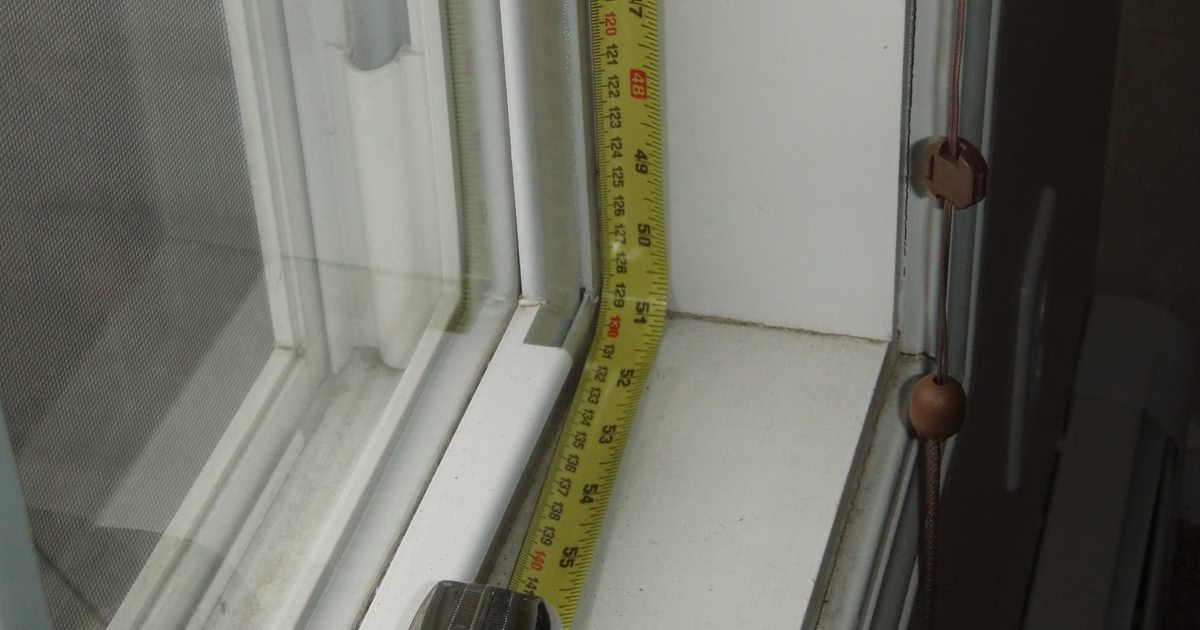
- Frame depth and fit. Check whether there’s a flat, unobstructed step inside the frame for a panel to seat against, clear of locks, cranks and blinds. Indow, for example, says its inserts need an unobstructed frame step at least ⅝ inch deep all the way around.
- Ventilation. Decide which windows you need to open, and how often. A panel has to come out, or be designed to work with the window, each time.
- Emergency exit. Identify any window that serves as an escape route, especially in bedrooms. A panel there must be removable quickly by anyone in the room, without tools.
- Noise path. Note where the sound actually comes in: window, wall, door or vent.
Fit, removal and emergency exits
Fit and removal deserve their own check because they affect safety, not only performance. The Building America Solution Center notes that operable interior storms should match the original window’s opening style to keep operability and egress where they’re needed. Indow’s product data says occupants should be able to quickly remove its inserts in an emergency without a tool, uses a pull ring for removal, and recommends leaving one window bare in a young child’s bedroom. Indow also says its inserts aren’t appropriate for doors, partly because they wouldn’t be easy to remove for egress. Whatever product you consider, try the removal yourself before you order more than one, and make sure everyone who sleeps in the room could do it in the dark.
What to ask an interior panel supplier
- Material. Is the panel glass or acrylic, how thick, and is there a low-e coating?
- Seal. How does it seal at every edge: compression edging, magnets, a fixed frame, screws? What happens where the frame is out of square or bowed?
- Removal. How is it removed and reinstalled, by whom, and how quickly? Will it work on every window you need to open or use as an exit?
- Fit check. Who measures, and what happens if a panel doesn’t fit when it arrives?
- Acoustic evidence. If noise is the reason, what testing exists for this product and grade, over a window like yours, with your air space?
- Moisture. What does the supplier say about condensation between the panel and your window, and what do they recommend for ventilation and indoor humidity?
- Ratings. Does an ENERGY STAR, AERC or NFRC rating actually apply to this product? Ask for the listing.
- Installation. Is installation included, or is it a do-it-yourself product? Are there any fasteners or brackets that go into the frame?
- Warranty. What’s covered, for how long, and what voids it?
- Written scope. A list of every window, the panel for each, and the total, including shipping and tax where they apply.
Homeowner scenarios
Sound wood windows, cold rooms, a whole-house replacement quote
Older single-pane wood windows that open and lock, no rot, one winter of cold rooms. Repair and weatherstripping first, then a second layer, interior or exterior, is worth pricing before you commit to replacement. Make sure each replacement quote and panel quote is for the same set of windows.
Bedroom facing a busy road
Double-pane windows in good shape, traffic noise at night. An acoustic-grade panel may help on the window path, but expect less over double-pane glass than over single-pane, and check whether the wall or a vent is part of the problem. Ask for test evidence over a double-pane window, and confirm the panel comes out quickly if this window is the room’s escape route.
Condensation already on the sills
Water on the glass each morning and peeling paint on the sill. Deal with indoor humidity and any water entry first. A panel can come later, if it seals well and you check between the layers through the first winter. It isn’t the first fix.
Soft sills and fogged glass
Rot at the sill and several failed glass seals. That points to repair of the affected parts or replacement, not an add-on panel. If you’re replacing, the insert vs. full-frame tool helps decide whether the old frame can stay.
Renting, or planning to move
Removable panels that don’t alter the window can make sense where you can’t or don’t want to change the windows themselves. Check the lease, and keep the original window untouched.
If replacement is still on the table
An interior panel and a replacement window aren’t competing for the same job when the window has failed. When it hasn’t, the useful step is to put both options in writing, for the same windows, and see what each actually covers. Start with the insert vs. full-frame decision tool if you’re pricing replacement; it compares replacement installation methods, not storm panels. Our window replacement cost guide shows what drives replacement pricing, the window quote checklist covers what every replacement quote should state, and how to compare window quotes helps you line up two offers.
Frequently asked questions
Are interior storm window inserts worth it?
They can be when the windows are sound and the complaint is cold glass, drafts through the window or some outside noise. They’re not worth it as a fix for rot, water entry or failed sealed glass. Price them against repair and replacement for the same windows, and check the moisture risks first.
Do interior storm windows cause condensation?
They can. The National Park Service warns that moisture trapped between an interior storm and the original window can condense on the colder outer window and cause deterioration, and that a durable airtight seal is difficult in practice. A well-sealed panel and controlled indoor humidity lower the risk. Check between the layers during cold weather.
Will an interior insert make my room soundproof?
No. It can reduce noise coming through the window, but sound also comes through walls, doors, ceilings and vents. Manufacturer figures apply to specific products over specific window types, and results vary by room.
Is an interior storm insert the same as an insert replacement window?
No. An interior storm insert is a panel added inside a window you keep. An insert replacement window is a complete new window installed into the old frame after the old sashes come out.
Are interior storm inserts ENERGY STAR certified?
Not automatically. ENERGY STAR’s storm-window program covers products that meet its definition and requires a low-e coating, so plastic interior panels can’t carry the label, though they can earn an AERC rating. Ask for the listing for the exact product you’re buying.
Can I use an interior insert on a bedroom window?
Only if it can be removed quickly, without tools, by the people who sleep there. If the window is the room’s emergency exit, test the removal before you rely on it, and check what your local code requires.
Sources
- U.S. Department of Energy, Federal Energy Management Program, “Purchasing Energy-Efficient Residential Storm Windows,” energy.gov. Accessed November 8, 2026.
- U.S. Department of Energy / Pacific Northwest National Laboratory, “Storm Window and Insulating Panel Campaign Fact Sheet” (PNNL-SA-162499, May 2021), PDF. Accessed November 8, 2026.
- Building America Solution Center (U.S. Department of Energy / Pacific Northwest National Laboratory), “Interior Storm Windows and Panels,” last updated September 26, 2021, basc.pnnl.gov. Accessed November 8, 2026.
- National Park Service, Preservation Brief 9, “The Repair of Historic Wooden Windows,” PDF. Accessed November 8, 2026.
- National Park Service, Preservation Brief 3, “Improving Energy Efficiency in Historic Buildings” (December 2011), PDF. Accessed November 8, 2026.
- Indow, “Acoustic Grade” and “Noise Performance,” indowwindows.com and indowwindows.com. Accessed November 8, 2026. Manufacturer claims.
- Indow, “IndowONE Product Data,” “Are Your Windows Fit For Indows?” and FAQ, product data, compatibility guide, FAQ. Accessed November 8, 2026. Manufacturer statements.