
Published November 17, 2026. The product, parts and warranty statements below come from Andersen’s help center, parts store and service guides, Simonton’s replacement-parts and warranty pages, and Milgard’s FAQ, all opened on that date. How we research this
Short answer: Often, yes, if the frame is sound and the manufacturer still offers a sash for your exact window. Andersen publishes sash replacement instructions for its 200 Series tilt-wash double-hung windows, and Simonton lists complete upper and lower double-hung sashes, glass included, as replacement parts. But availability is decided model by model and sometimes by production year, so neither example means a sash exists for your window. Before you order anything, pin down what has actually failed: the glass, the sash itself, or the hardware that holds it up. A sash that drops or will not stay tilted is often a balance problem, not a sash problem. Then identify the brand, series and age of the window, check the warranty, and only after that compare a sash-only quote with full replacement.
If your only symptom is fog or haze between the panes, start with our guide to fog between window panes, which covers diagnosing a failed glass seal. This page picks up from there: once you know what is wrong, which repair scope makes sense.
Quick answer: when can you replace only the sash?
A sash-only repair is worth pursuing when all four of these hold:
- The frame is sound. No rot, soft spots, cracks or water damage in the sill, jambs or head, and the window is still square enough for a new sash to close, lock and seal.
- The problem is in the sash. Fogged or cracked glass in a window where the glass is not serviced on its own, or a damaged sash rail, stile or finish.
- You can identify the window. Brand, series or model, size and roughly when it was made.
- The manufacturer or an authorized dealer can supply a matching sash for that model, size and vintage, and will confirm the part number fits.
If any of those fail, one of the other options below is likely the better fit. And if the sash slides down, will not stay open or will not stay tilted, check the balances before you price a new sash. If an older wood sash will not move at all because paint has sealed it to the stops, start with how to free a sash sealed by old paint before ordering any new parts.
What a sash is: sash, glass, balances and frame
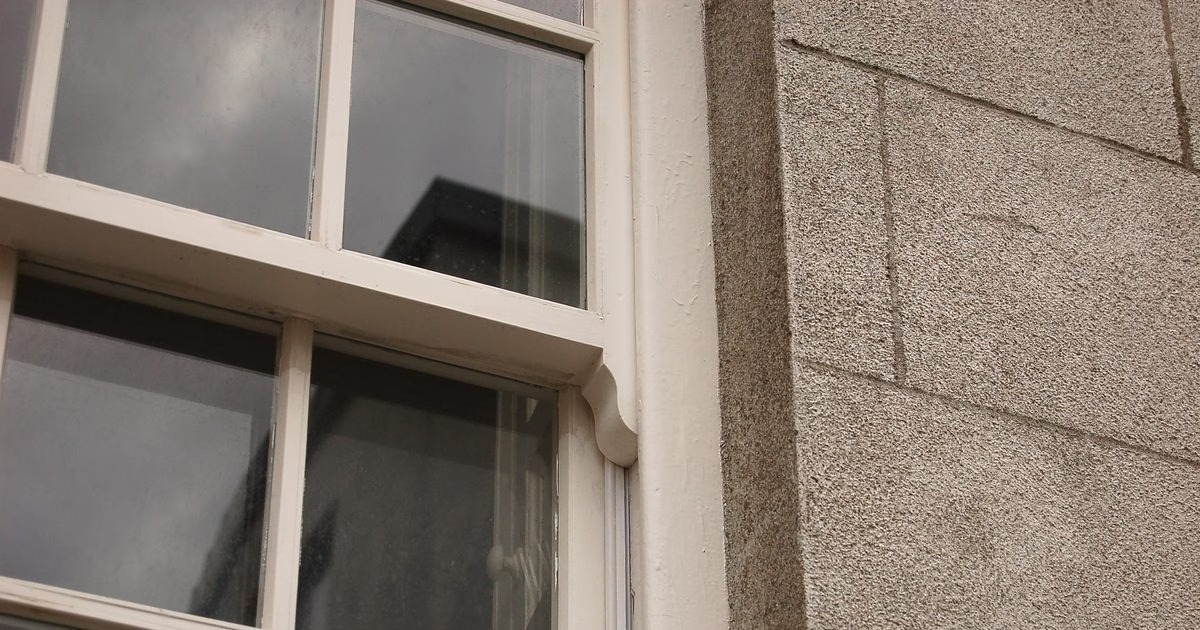
A window has two main assemblies. The frame is the fixed part fastened into the wall opening: the head at the top, the jambs at the sides and the sill at the bottom. The sash is the part that holds the glass, made of rails and stiles around it, and on an operating window it is the part that moves. A double-hung window has an upper and a lower sash, a slider has one or two sashes that move sideways, and a casement sash swings out on hinges.
Inside the sash sits the insulating glass unit (IGU): two or more panes sealed together around a spacer at the edges. Simonton describes each of its double-hung sashes as the vinyl portion plus the insulating glass unit. The glass is held in the sash with sealant and, on many windows, a glazing bead, a trim strip around the edge of the glass. Andersen’s help center says its glazing beads are a replaceable part used for cosmetic purposes, with the sealant under the glass providing the main seal. So a replaceable bead does not mean the glass unit behind it can be swapped out.
Balances, which Andersen calls balancers, are the spring or block-and-tackle mechanisms that hold a hung sash in position. They sit in the frame, in the jamb liners or the head. Simonton’s parts list describes its internal balance assembly as a spring, shoe and cover inside the balance track, with a metal pivot bar on the sash that sits in the balance shoe. That is why a sagging sash is often a frame-side hardware issue: the sash itself may be fine.
Decision matrix: glass-only, sash-only, hardware repair or full replacement
Use this to work out which scope to ask about. It is our editorial summary of the manufacturer sources on this page; your manufacturer and installer decide what actually applies to your window.
| Option | Usually fits when | Check first | Watch out for |
|---|---|---|---|
| Glass (IGU) only | Fogged or cracked glass, sash and frame in good shape, and the manufacturer or a glass shop can service the glass in that sash | Whether your brand and model allow glass-only service at all; whether the glass failure is a warranty item | Andersen says the glass in its windows is generally not replaced separately; ask how a non-factory glass repair would affect your warranty |
| Sash only | Glass or sash damaged, frame sound, and a factory sash exists for that model, size and vintage | Brand, series, size and manufacture date; the part number; which hardware is included | Older units can need extra parts (one Andersen Narroline listing requires a new lock for sashes made before 1998); glass options and finish may differ from the original |
| Balance or hardware repair | Sash drops, will not stay open or tilted, or is hard to raise; lock or tilt latch broken | Whether the sash pivot is seated in the balance shoe; which balance your window uses | Andersen recommends replacing balancers in pairs on some models; brittle jamb liners may need replacing at the same time |
| Full window replacement | Frame rotted, cracked or out of square; water damage around the window; no parts for the model; several failures at once | The condition of the frame and the wall around it; whether other windows share the problem | A larger job with more scope to compare; a sash-only fix in a failing frame can simply postpone it |
UpgradeWorth decision table based on Andersen and Simonton help, parts and warranty pages. It frames the conversation; it does not decide what your window can take.
Rule out the balances before you price a sash
A failed balance or balance shoe does not, on its own, mean you need a new sash. Andersen’s help center says that when a sash on its A-Series or 400 Series tilt-wash double-hung windows slides down or one side will not stay tilted, the pivot pin may simply not be engaged in the balancer shoe, and the fix is to reset it by removing and reinstalling the sash. Only if that does not work does Andersen point to replacing the balancers. On its 200 Series Narroline double-hung windows, Andersen recommends replacing both balancers so the tension matches on each side, and notes that jamb liners can become fragile over time and may need replacing too. Follow the instructions for your own model: balances are under spring tension, and the steps differ between products.
Signs the existing frame can stay
A new sash only makes sense in a frame that will hold it. These are good signs:
- Sill, jambs and head are firm to the touch, with no soft, crumbling or swollen wood and no cracks running through a vinyl or composite frame.
- No stains, damp drywall, peeling paint or swelling in the wall or trim around the window, which would point to water getting in around the frame.
- The other sash, or the fixed panel, still closes, locks and seals properly.
- The gaps between sash and frame look even and the lock still lines up with its keeper, suggesting the frame has not racked out of square.
- The window does not leak into the room in normal rain.
- Jamb liners and tracks are intact, or available as parts if they are cracked.
If the frame fails these checks, a new sash will sit in a frame that is still failing. That is when full replacement usually becomes the more practical conversation, covered further down.
How to identify the manufacturer, model and a compatible replacement sash
Replacement sashes are ordered by brand, series or product line, size and often manufacture date. Gather those before you call anyone. Look in this order:
- Labels on the frame or sash. Many manufacturers put a product label on the head jamb, a side jamb, the sill or the sash. Andersen says its windows and patio doors made from 2007 to the present carry a product identification label listing details such as series, size, color and glass type, plus an ID number used for warranty registration and service or parts requests; where it sits depends on the product. Simonton’s warranty documents say the order number is a bar code located in the sash head, sill or jamb.
- Etching in a corner of the glass. Andersen says most of its windows carry an etched logo, usually in a lower corner of the glass, that identifies the glass type and the manufacture date. To read faint etching, Andersen suggests a magnifying glass, a zoomed-in photo, a flashlight held across the glass, or dark paper behind it. A separate tempering code etched in a corner tells you the glass is tempered, which a replacement sash needs to match where code requires it.
- Printing on the spacer between the panes. Some brands print the order number on the spacer inside the glass unit. Milgard, for example, says its sales order number sits in the upper right or left corner between the panes of glass, and that some windows made before 1995 may not have one.
- Paperwork. Invoices, installer contracts and warranty registrations often list the brand, series and order number.
- Photos and measurements. If you cannot find a label, photograph the whole window inside and out, the corners of the glass, the lock, the tilt latches and the jamb liners, and measure the sash. Andersen offers an Identify Your Product tool and says it can help identify a product by its features.
Then ask the manufacturer or an authorized dealer one direct question: is a replacement sash available for this exact window, and which part number fits it? Do not order a sash by measurements alone. A sash from a different series, generation or production period can look similar and still not fit the frame, the balances or the lock.
Andersen and Simonton examples, and their limits
These two brands publish enough detail to show how sash replacement works in practice. They are examples, not a rule for other brands, and not a promise that every Andersen or Simonton window has a sash available.
Andersen
- 200 Series tilt-wash double-hung. Andersen’s help center says both the upper and lower sash on these windows can be replaced, links a sash or balancer replacement guide and video, and offers a parts quote or a referral to a service provider for the installation.
- 200 Series Narroline double-hung. Andersen’s parts store lists replacement upper and lower Narroline sashes, but at least one listing notes that if the original sash was made before 1998 you will also need a new lock, because the replacement sash is not routed for the old hardware. Vintage matters even within one product line.
- Broken or fogged glass. Andersen’s help center says the glass in its windows is not replaced separately: to replace the glass, you replace the window sash or patio door panel, ordered by series and vintage. The same article notes an exception for some older casement or awning picture windows with direct-set glass. Andersen also says glass broken by an impact is not covered under its Owner-to-Owner limited warranty.
- Glazing beads and reglazing guides. Andersen sells replacement glazing beads, which it describes as cosmetic, and publishes reglazing instructions for certain products, such as a 400 Series tilt-wash picture window with Stormwatch protection, where the guide says the job requires a high level of construction skill and recommends an Andersen service provider. These are product-specific documents. They do not show that every Andersen glass unit can be replaced on its own.
Simonton
- Double-hung sashes as parts. Simonton’s replacement-parts page for double-hung windows lists an upper sash and a lower sash, each including the vinyl and the insulating glass unit, alongside balance assemblies, pivot bars, locks, tilt latches and weatherstripping. Its lower-sash page says you may need one if there is moisture between the panes or a stress crack starting along the edge of the glass.
- Parts requests go through a warranty form. On Simonton’s site, requests for replacement parts are routed through the Cornerstone Building Brands warranty request form. Have the order number from the window label ready.
- Terms depend on product line and purchase date. Simonton publishes separate warranties for different window series and purchase dates. Its warranty for ComfortSmart and HarborLight windows bought on or after July 29, 2024, for example, says claims must be made within sixty days of the defect appearing and that Simonton is not responsible for removal, replacement or installation costs. Other Simonton warranties can read differently.
Other brands, and older or discontinued Andersen and Simonton lines, may have no sash available, a different part, or a different ordering process. Confirm with the manufacturer for your exact window before you plan around a sash.
Check the warranty before you order parts
If a glass seal has failed or a part has broken without an impact, the repair may be covered, and buying parts on your own first can complicate a claim. Before you order anything:
- Find the purchase or installation date and any registration. Andersen says its coverage varies by product line, features, accessories and original purchase date, and that the purchase receipt is the quickest way to confirm the details.
- Read the warranty for your product line. Andersen and Simonton both publish warranties by series and purchase date; the one in force when your window was bought is the one that applies.
- Be clear about what kind of damage it is. A failed seal is a different claim from glass broken by a ball, a branch or a storm. Andersen says impact breakage is not covered under its Owner-to-Owner warranty.
- Check deadlines. Some warranties set a time limit from when you notice the defect, like the sixty-day window in the Simonton warranty above.
- Ask who pays for labor. A manufacturer may supply the part while removal, installation and disposal stay with you, as in that Simonton warranty.
- Call the installer first for recent windows. Problems with how a window was installed usually fall under the installer’s own workmanship terms rather than the manufacturer’s product warranty.
Our window warranty guide explains how product and installation coverage usually differ. Your own warranty documents decide what is covered.
What a sash-only quote should list
Whether the sash comes from the manufacturer, a dealer or a repair company, ask for a written quote that shows:
- Brand, series and window size as identified from the label or etching, and the manufacture date if known.
- The part number of the sash, and whether it is the upper, lower, operating or fixed sash.
- Glass specification: glass type or coating, whether it is tempered, grille pattern if any, and whether it matches the original or what code requires.
- Finish and color inside and out, including whether a wood interior comes unfinished.
- Included hardware: lock, tilt latches, pivot bars and weatherstrip, and anything that must be ordered separately.
- Related parts the installer recommends, such as balances or jamb liners, with the reason.
- Compatibility confirmation in writing: that this sash fits this frame.
- Labor: removal of the old sash, installation, adjustment and disposal.
- Lead time for the part.
- Warranty on the new part and on the installation work, and confirmation that a manufacturer warranty claim was checked first.
If two quotes differ, compare the scope line by line before you compare totals. A quote that leaves out the part number, the glass type or the installation warranty is not describing the same job.
When full replacement becomes the more practical option
- The frame is rotted, cracked, soft or out of square, or there is water damage in the wall around it.
- The manufacturer cannot identify the window or no longer offers a sash or matching parts for it.
- The repair would need a sash plus balances, jamb liners and hardware, and the window has other problems as well, such as drafts or leaks.
- Several windows of the same age are failing the same way.
- You want something the existing frame cannot give you, such as a different style or a different level of performance.
None of these is automatic. A sound frame with one damaged sash is often worth repairing; a failing frame with a good sash usually is not. To weigh age, condition and symptoms together, run the window through the window repair vs. replace decision tool.
Homeowner checklist
- Write down the symptom: fog between the panes, cracked glass, a damaged sash, a sash that will not stay up, hard operation, or a leak.
- If the sash drops or will not stay tilted, check whether it is seated in its balances before you buy anything.
- Check the frame against the list above.
- Find the label, glass etching or spacer printing and photograph it; gather invoices and warranty paperwork.
- Contact the installer (for recent windows) or the manufacturer with photos, and ask about warranty coverage before you buy parts.
- Ask whether a sash, a glass unit or a balance is available for your exact model and vintage, and get the part number.
- Get written quotes that list the part number, glass specification, hardware, labor, compatibility and installation warranty.
- Price full replacement only if the frame, parts availability or other problems point that way.
FAQ
Can I replace just the glass instead of the whole sash?
It depends on the brand and model. Andersen says the glass in its windows is generally not replaced separately and that you replace the sash instead, with an exception for some older direct-set casement or awning picture windows. Other manufacturers, or a glass shop, may offer glass-only service on other windows. If the window may still be under warranty, ask the manufacturer before anyone cuts the glass out.
My sash keeps sliding down. Do I need a new sash?
Not necessarily. On hung windows, a sash that will not stay put usually points to the balances or how the sash sits in them. Andersen’s guidance for some of its tilt-wash windows is to reset the sash so the pivot engages the balancer shoe, and to replace the balancers if that does not work. A new sash is only the answer if the sash itself is damaged.
Can I order a replacement sash just by measuring the old one?
Measurements help, but they are not enough. Manufacturers order sashes by series, size and often manufacture date, because sashes from different generations can look alike and still not fit the frame, balances or lock. Find the label or glass etching, or ask the manufacturer to identify the window from photos, and get a confirmed part number.
Will a replacement sash match my other windows?
Not always exactly. Glass coatings, grille patterns, finishes and hardware change over the years, and a replacement may come with a different glass option or an unfinished interior. Ask the supplier what will differ from the original, and put the glass specification and finish in the written quote.
Next step
Start with the symptom and the frame. If the frame is sound and the problem is one sash, identify the window, check the warranty, and ask the manufacturer for a part number before you get quotes. If the sash will not stay up, look at the balances first. If the frame is failing or no parts exist, compare full replacement instead. To bring age, condition and symptoms together into one decision, use the window repair vs. replace decision tool.
How we researched this
On November 17, 2026 we opened every source behind the statements on this page. From Andersen’s help center: Installing Replacement Sash on 200 Series Tilt-Wash Double-Hung Windows, Glazing Bead on Andersen Windows and Patio Doors, Broken Glass, Can I Apply Film to Glass on Andersen Windows or Patio Doors, Identify Your Andersen Window or Patio Door Using a Product ID Label, Identify Glass Type on Andersen Windows and Patio Doors, Andersen Limited Warranty Coverage Information, Resetting Balancers on A-Series and 400 Series Tilt-Wash Double-Hung Windows and Balancers for 200 Series Perma-Shield Narroline Double-Hung Windows; a Narroline replacement lower sash listing in Andersen’s parts store; and Andersen’s reglazing guide for 400 Series tilt-wash picture windows with Stormwatch protection (PDF). From Simonton: Replacement Parts for Double Hung Window, its lower sash parts page, Make a Warranty Claim or Request Parts and Simonton’s ComfortSmart and HarborLight Lifetime Limited Warranty (PDF on simonton.com). From Milgard: its FAQ. Manufacturer guidance applies to that manufacturer’s products; we cite it as an example of how sash, glass and balance repairs are handled and what to ask, not as a statement about other brands, models or production years. We did not inspect, repair or test any windows, and we do not quote part or labor costs. Full methodology · editorial policy.
Planning note: This page summarizes published manufacturer guidance for U.S. homeowners. It is not an assessment of your window, does not confirm that any part is available or compatible, and does not decide any warranty claim. Follow the instructions for your own product, and use a qualified professional for sash removal on upper floors, balance work under spring tension, broken glass or suspected water damage. See our disclaimer.